Active filters

<p>Occhetti is a historic Prunotto wine, produced since the 1970s. The soil, characterized by shallow sands, stratified with gravelly layers and clay-limestone interlayers, gives the wine elegance and soft tannins.</p> <ul> <li><strong>Characteristics:</strong> Occhetti has a ruby red with garnet reflections typical of the grape variety. The nose is elegant, with hints of raspberries well combined with sensations of rose and licorice. On the palate it is full, harmonious and characterized by good tannic persistence.</li> <li><strong>Recommended pairings:</strong> It goes very well with stews, game, roasted red meats and aged cheeses.</li> </ul> <p><strong>SIZE / WEIGHT:</strong> Bottles of 0,75 l.</p> <p><strong>ORIGIN:</strong> Piedmont.</p> <p><strong>GRAPES:</strong> 100% Nebbiolo.</p> <p><strong>SERVING TEMPERATURE:</strong> 16°/18°.</p> <p><strong>STORAGE METHOD:</strong> Cool place away from sunlight.</p> <p><strong>SPECIFIC NOTES:</strong> Contains sulphites</p> <p><strong>PRODUCER:</strong> Prunotto S.r.l.</p> <h3>History of the Prunotto Winery</h3> <p>In 1904, in the council chamber of the municipality of Serralunga, in the presence of the Notary Giacomo Oddero and the young witness Alfredo Prunotto, the Cantina Sociale "Ai Vini delle Langhe" was founded. Among the participants in the deed of incorporation there are personalities who have left a mark in the events of Alba and the municipalities of the Langa and many small producers in the area. The first harvest is that of 1905. Difficult years follow, characterized by an uncertain general economic trend, aggravated by the First World War. In 1922, when the renewal of the Cantina Sociale expired, many members decided not to give their grapes anymore. The vintage, while exceptional, was not abundant. The winery begins to have serious economic problems and is placed in liquidation. At this juncture, the young Alfredo Prunotto met and married Luigina, with whom he decided to take over the "Ai Vini delle Langhe" cooperative winery, giving it his own name. The winery, thanks to the passion of the two spouses, soon became famous and began exporting Barolo and Barbaresco all over the world: first in South America and later in the United States, whose markets opened in those years. Prunotto is one of the few companies to believe in that economic perspective. In 1956, Alfredo Prunotto decided to retire from the business, handing over the company to his wine technician friend Beppe Colla, supported by Carlo Filiberti and later by his brother Tino Colla. Prunotto, in 1961, began to identify particularly valuable typical production areas for the separate vinification of the Crus, such as Barolo Bussia and Barbera d'Alba Pian Romualdo. In 1972, Ugo della Piana, an architect originally from the Langhe, designed the new cellar, which was to be built near Alba where the company's headquarters are still located today. In 1989, the Antinori family began its collaboration with the Prunotto company, initially dealing with distribution and then, in 1994, with the withdrawal of the Colla brothers, also directly with production, maintaining the excellent quality level strongly desired by Alfredo Prunotto. The production philosophy, attentive to every detail, and the great passion for wine, immediately united Prunotto with the Antinori family who, in this area, met a new challenge, a new terroir where to express the great territoriality of native and non-native vines. This project materialized in 1990, when Albiera Antinori, the eldest daughter of the Marquis Piero Antinori, further outlined the personality of the winery, paying particular attention to the vineyards, first among which: the Bussia vineyard, one of the most renowned in the Barolo area , the Costamiòle vineyard in Agliano, for the production of Nizza, and land in Calliano for the study and analysis of new vines such as Albarossa and Syrah. The company carries out studies, research and experiments on the vineyards, without adopting a pre-established formula, with particular attention paid to sustainable agriculture and manual processing. Every year, every harvest, the ways and times for the best care and management of the vineyard and the production of each individual wine are evaluated, respecting its characteristics and enhancing its potential.</p>
Price zł116.99

<p>From the splendid amphitheater vineyard in the Bussia area of Monforte d'Alba. A historic wine, produced for the first time in selection by Prunotto in 1961. The heterogeneity of the exposure of the vineyards, from south-west to south, and the traditional aging in large barrels, enhance the balance and complexity of Nebbiolo . This Barolo "Bussia" represents one of the highest expressions of the entire denomination. It is in fact a bottle that comes from the prestigious vineyards of the Bussia cru, and which combines a strong and determined body with a range of elegant and harmonious aromas. A more than winning combination, which gives life to an always pleasant and satisfying drink, destined to evolve over the years.</p> <ul> <li><strong>Process:</strong> The grapes are selected upon arrival in the cellar they were destemmed and pressed. The <em>maceration</em> lasted about 15 days at a maximum temperature of 30°C. The malolactic <em>fermentation</em> was completed before the end of winter. The wine then aged in oak barrels of different capacities for about 18 months.</li> <li><strong>Characteristics:</strong> <em>color</em> ruby with garnet reflections, it is bright and lively. The <em>nose</em> is complex, characterized by floral sensations and notes of red fruit. The <em>palate</em> is intense, with sweet and silky tannins. The finish is long and harmonious.</li> <li><strong>Pairings:</strong> A red with an important structure, which therefore requires dishes and recipes capable of enhancing its intrinsic characteristics: with red meat and game you won't go wrong !</li> </ul> <p><strong>SIZE / WEIGHT:</strong> Bottles of 0,75 l.</p> <p><strong>ORIGIN:</strong> Piedmont.</p> <p><strong>GRAPES:</strong> 100% Nebbiolo.</p> <p><strong>ALCOHOL:</strong> 14% vol.</p> <p><strong>SERVING TEMPERATURE:</strong> Temperature between 12/18°C.</p> <p><strong>STORAGE METHOD:</strong> in a cool place away from sunlight sun.</p> <p><strong>SPECIFIC NOTES:</strong> Contains sulphites.</p> <p><strong>PRODUCER:</strong> Prunotto S.r.l. - Location Bussia Soprana, Monforte d'Alba CN.</p> <h3>History of Prunotto Cellars</h3> <p>In 1904 , in the council chamber of the municipality of Serralunga, in the presence of the Notary Giacomo Oddero and the young witness Alfredo Prunotto, the Cantina Sociale "Ai Vini delle Langhe" was founded. Among the participants in the deed of incorporation there are personalities who have left a mark in the events of Alba and the municipalities of the Langa and many small producers in the area. The first harvest is that of 1905. Difficult years follow, characterized by an uncertain general economic trend, aggravated by the First World War. In 1922, when the renewal of the Cantina Sociale expired, many members decided not to give their grapes anymore. The vintage, while exceptional, was not abundant. The winery begins to have serious economic problems and is placed in liquidation. At this juncture, the young Alfredo Prunotto met and married Luigina, with whom he decided to take over the "Ai Vini delle Langhe" cooperative winery, giving it his own name. The winery, thanks to the passion of the two spouses, soon became famous and began exporting Barolo and Barbaresco all over the world: first in South America and later in the United States, whose markets opened in those years. Prunotto is one of the few companies to believe in that economic perspective. In 1956, Alfredo Prunotto decided to retire from the business, handing over the company to his wine technician friend Beppe Colla, supported by Carlo Filiberti and later by his brother Tino Colla. Prunotto, in 1961, began to identify particularly valuable typical production areas for the separate vinification of the Crus, such as Barolo Bussia and Barbera d'Alba Pian Romualdo. In 1972, Ugo della Piana, an architect originally from the Langhe, designed the new cellar, which was to be built near Alba where the company's headquarters are still located today. In 1989, the Antinori family began its collaboration with the Prunotto company, initially dealing with distribution and then, in 1994, with the withdrawal of the Colla brothers, also directly with production, maintaining the excellent quality level strongly desired by Alfredo Prunotto. The production philosophy, attentive to every detail, and the great passion for wine, immediately united Prunotto with the Antinori family who, in this area, met a new challenge, a new terroir where to express the great territoriality of native and non-native vines. This project materialized in 1990, when Albiera Antinori, the eldest daughter of the Marquis Piero Antinori, further outlined the personality of the winery, paying particular attention to the vineyards, first among which: the Bussia vineyard, one of the most renowned in the Barolo area , the Costamiòle vineyard in Agliano, for the production of Nizza, and land in Calliano for the study and analysis of new vines such as Albarossa and Syrah. The company carries out studies, researches and performs sp experiments on the vineyards, without adopting a pre-established formula, with particular attention paid to sustainable agriculture and manual processing. Every year, every harvest, the ways and times are evaluated for the best care and management of the vineyard and the production of each individual wine, respecting its characteristics and enhancing its potential.</p>
Price zł508.00

<p>Produced for the first time in 1961, the Barolo Bussia Riserva DOCG "Vigna Colonnello", from the Prunotto winery, is a historic wine that has its roots in ancient traditions. It comes from a one-hectare cru located in the municipality of Monforte d'Alba, in the Bussia area.</p> <ul> <li><strong>Process:</strong> It comes from a <em>maceration</em> on the skins for 25 days, it rests for two years in large French oak barrels, for one year in steel and for thirty months in the bottle.</li> <li><strong>Tasting:</strong> It is intriguing and sensual on the nose, enveloping and powerful on the palate, refined and elegant on the aftertaste: it is, in no uncertain terms, a wine for special occasions.</li> <li><strong>Characteristics:</strong> Red with ruby reflections, <strong>fragrance</strong> floral (rose petal) with hints of very ripe red fruits (raspberry and pomegranate) amalgamated with spicy and balsamic notes.</li> <li><strong>Pairings:</strong> excellent with venison medallions with thyme. It goes well with meat dishes, game and cheese.</li> </ul> <p><strong>SIZE / WEIGHT:</strong> 0,75 l bottles.</p> <p><strong>ORIGIN:</strong> Piedmont.</p> <p><strong>GRAPES:</strong> 100% Nebbiolo.</p> <p><strong>ALCOHOL:</strong> 13.5% vol.</p> <p><strong>SERVING TEMPERATURE:</strong> Temperature between 12/18°C.</p> <p><strong>STORAGE METHOD:</strong> in a cool place away from sunlight.</p> <p><strong>SPECIFIC NOTES:</strong> Contains sulphites.</p> <p><strong>PRODUCER:</strong> Prunotto S.r.l. - Location Bussia Soprana, Monforte d'Alba CN.</p> <h3>History of Prunotto Cellars</h3> <p>In 1904 , in the council chamber of the municipality of Serralunga, in the presence of the Notary Giacomo Oddero and the young witness Alfredo Prunotto, the Cantina Sociale "Ai Vini delle Langhe" was founded. Among the participants in the deed of incorporation there are personalities who have left a mark in the events of Alba and the municipalities of the Langa and many small producers in the area. The first harvest is that of 1905. Difficult years follow, characterized by an uncertain general economic trend, aggravated by the First World War. In 1922, when the renewal of the Cantina Sociale expired, many members decided not to give their grapes anymore. The vintage, while exceptional, was not abundant. The winery begins to have serious economic problems and is placed in liquidation. At this juncture, the young Alfredo Prunotto met and married Luigina, with whom he decided to take over the "Ai Vini delle Langhe" cooperative winery, giving it his own name. The winery, thanks to the passion of the two spouses, soon became famous and began exporting Barolo and Barbaresco all over the world: first in South America and later in the United States, whose markets opened in those years. Prunotto is one of the few companies to believe in that economic perspective. In 1956, Alfredo Prunotto decided to retire from the business, handing over the company to his wine technician friend Beppe Colla, supported by Carlo Filiberti and later by his brother Tino Colla. Prunotto, in 1961, began to identify particularly valuable typical production areas for the separate vinification of the Crus, such as Barolo Bussia and Barbera d'Alba Pian Romualdo. In 1972, Ugo della Piana, an architect originally from the Langhe, designed the new cellar, which was to be built near Alba where the company's headquarters are still located today. In 1989, the Antinori family began its collaboration with the Prunotto company, initially dealing with distribution and then, in 1994, with the withdrawal of the Colla brothers, also directly with production, maintaining the excellent quality level strongly desired by Alfredo Prunotto. The production philosophy, attentive to every detail, and the great passion for wine, immediately united Prunotto with the Antinori family who, in this area, met a new challenge, a new terroir where to express the great territoriality of native and non-native vines. This project materialized in 1990, when Albiera Antinori, the eldest daughter of the Marquis Piero Antinori, further outlined the personality of the winery, paying particular attention to the vineyards, first among which: the Bussia vineyard, one of the most renowned in the Barolo area , the Costamiòle vineyard in Agliano, for the production of Nizza, and land in Calliano for the study and analysis of new vines such as Albarossa and Syrah. The company carries out studies, research and experiments on the vineyards, without adopting a pre-established formula, with particular attention paid to sustainable agriculture and manual processing. Every year, every harvest, the ways and times are evaluated for the best care and management of the vineyard and the production of each individual wine, respecting its characteristics and enhancing its potential.</p>
Price zł898.01

<p>Maremma Toscana Poggio alle Nane is the symbolic wine of the Le Mortelle di Antinori estate, located a few kilometers from the seaside town of Castiglione della Pescaia. It is made up of the best Cabernet Franc and Cabernet Sauvignon grapes to which a small amount of Carménère grapes is added.</p> <ul> <li><strong>Procedure:</strong> The must obtained by <em>crushing</em> of carefully selected grapes is transferred by gravity into stainless steel tanks, then sent to <em>fermentation</em> with <em>maceration</em> for 20 days at a controlled temperature of 28°C. It carries out the <em>malolactic</em> in barrique and ages for 16 months in French oak barrels.</li> <li><strong>Characteristics:</strong> Wine with a red <strong>colour</strong> almost impenetrable deep ruby, it has an intense and complex impact on the <strong>nose</strong>, with notes of blackcurrant and ripe blackberry well integrated with sensations of licorice and eucalyptus. In the <strong>mouth</strong> it is structured and enveloping, with well-smoothed tannins that guide towards a finish of beautiful persistence.</li> <li><strong>Pairings:</strong> An excellent wine to try absolutely with rack of lamb crusted with Tuscan flavours. Excellent in combination with lamb and roasts, it is ideal with all game-based recipes.</li> </ul> <p><strong>SIZE / WEIGHT:</strong> 0,75 l bottles.</p> <p><strong>ORIGIN:</strong> Tuscany.</p> <p><strong>GRAPES:</strong> Cabernet Franc, Cabernet Sauvignon, Carménère.</p> <p><strong>ALCOHOL:</strong> 14% vol.</p> <p><strong>SERVING TEMPERATURE:</strong> Temperature between 12/18°C.</p> <p><strong>STORAGE METHOD:</strong> in a cool place away from sunlight.</p> <p><strong>SPECIFIC NOTES:</strong> Contains sulphites.</p> <p><strong>PRODUCER:</strong> Marchesi Antinori - Ampio (GR).</p> <h3>Tenuta Le Mortelle</h3> <p>Fattoria Le Mortelle is located in the heart of the Tuscan Maremma, a few from Castiglione della Pescaia, in an extraordinary and fascinating position both for nature and for the history of the places that surround it. The family has worked both on the vineyards and on the new cellar since 1999 with the belief that the area, still emerging in the Italian wine scene, is highly suited to the production of quality wines and that here the characteristics of the terroir and of the cultivated varieties. The farm extends over 270 hectares, 170 of which are planted with vines. The Antinori family has always been present in these lands. In 1863, a patrimonial deed mentions Poggio Franco among the possessions, one of the most suitable vineyards of the estate, together with other parcels of land.</p>
Price zł544.00

<p>The Rosato "A" was born in the south of the Tuscan Maremma by the Aldobrandesca farm of the Marchesi Antinori. It is a marine and Mediterranean wine based on Aleatico grapes, with a fresh and savory taste, delicate and fragrant, with a very fruity bouquet of wild berries, pink grapefruit and pomegranate with accents of rose petals and Mediterranean puffs.</p> <p><strong>SIZE / WEIGHT:</strong> Bottles of 0,75 l.</p> <p><strong>ORIGIN:</strong> Tuscany.</p> <p><strong>GRAPES:</strong> Aleatico 100%.</p> <p><strong>SERVING TEMPERATURE:</strong> 10°/12°.</p> <p><strong>ALCOHOL:</strong> 11, 5% vol.</p> <p><strong>STORAGE METHOD:</strong> Cool place away from sunlight.</p> <p><strong>RECOMMENDED PAIRINGS:</strong> A rosé perfect for all occasions, it is recommended to try it in a dinner of Japanese sushi and sashimi.</p> <p><strong>SPECIFIC NOTES:</strong> Contains <strong>sulphites</strong> .</p> <p><strong>PRODUCER:</strong> Aldobrandesca Farm of the Marquises Antinori.</p>
Price zł250.99

<p>The Negroamaro IGT NePriCa shows hints of cherry and pomegranate, with light notes of violet and dog rose. The entry on the palate is soft, characterized by an elegant tannin and good freshness capable of enhancing the characteristic minerality.</p> <ul> <li><strong>Vinification:</strong> In the vinification The grapes were harvested slightly overripe and vinified in thermo-conditioned stainless steel tanks.</li> <li><strong>Maceration:</strong> Maceration, carried out at temperatures not exceeding 26 °C, lasted about 8-10 days .</li> <li><strong>Fermentation:</strong> The malolactic fermentation is finished by the beginning of winter. Then followed a period of maturation in steel for about 8 months and refinement in the bottle for 4 months.</li> </ul> <p><strong>SIZE / WEIGHT:</strong> 0,75 l bottles</p> <p><strong>ORIGIN:</strong> Puglia.</p> <p><strong>FEATURES:</strong> Ruby red color wine.</p> <p><strong>GRAPES:</strong> 100% Negroamaro.</p> <p><strong>ALCOHOL:</strong> 14% vol.</p> <p><strong>SERVING TEMPERATURE:</strong> Temperature between 14/18°.</p> <p><strong>SPECIFIC NOTES:</strong> contains sulphites.</p> <p><strong>STORAGE METHOD:</strong> in a cool place away from sunlight.</p> <p><strong>PRODUCER:</strong> TORMARESCA sarl</p> <h3>Cantine Tormaresca</h3> <p>The Tormaresca project was born with the dream, which has now become a design reality, of rediscovering and enhancing the ancient, precious Apulian native varietals, leading the Renaissance of the region's wine movement. The values that guide the company are the same ones transmitted for 26 generations in the estates of the Antinori family. The indissoluble link with the territory, respect for the traditions and history - agronomic and otherwise - of Puglia, the drive towards technical and concept innovation guide Tormaresca's choices and actions. Respect for people, places and history that has helped create a unique terroir. Tradition translates into values that become fundamental for the development of the winery and the well-being of the people who contribute to its success.</p>
Price zł69.99

<p>The Primitivo IGT NePriCa is on the nose with notes of red fruit, such as black cherry and wild berry jam, combined with slight sensations of licorice and sweet spices. On the palate the entrance is soft, characterized by a round tannin, structured and supported by a well-balanced freshness. In the vinification the grapes were destemmed, crushed and transferred to stainless steel tanks where the alcoholic fermentation took place, which lasted 8-10 days at a controlled temperature below 26 °C. The malolactic fermentation is finished by the beginning of winter. A period of further refinement then followed, first in steel for about 8 months and then in bottles for another 4 months.</p> <p><strong>SIZE / WEIGHT:</strong> 0,75 l bottles</p> <p><strong>ORIGIN:</strong> Puglia.</p> <p><strong>FEATURES:</strong> Wine of an intense ruby red color with a slight purplish hue.</p> <p><strong>GRAPES:</strong> 100% Primitivo.</p> <p><strong>ALCOHOL:</strong> 14.5% vol.</p> <p><strong>SERVING TEMPERATURE:</strong> Temperature between 14/18°.</p> <p><strong>SPECIFIC NOTES:</strong> contains sulphites.</p> <p><strong>STORAGE METHOD:</strong> in a cool place away from sunlight .</p> <p><strong>PRODUCER:</strong> TORMARESCA LIMITED LIABILITY AGRICULTURAL COMPANY</p>
Price zł69.99

<p>Prunotto's Barbaresco comes from the vineyards in the Barbaresco, Treiso and Neive area, from the most elegant expression of Nebbiolo. An aristocratic but accessible and pleasant wine, aged in large barrels of different sizes to enhance its harmony and softness on the palate.</p> <ul> <li><strong>Features:</strong> Barbaresco has a garnet red color of good intensity. The nose is complex, with hints of red fruit and spicy notes. On the palate it is full, velvety and with a persistent aftertaste.</li> <li><strong>Pairings:</strong> perfect for red meat main courses, game.</li> </ul> <p><strong>SIZE / WEIGHT:</strong> Bottles of 0,75 l.</p> <p><strong>ORIGIN:</strong> Piedmont.</p> <p><strong>GRAPES:</strong> 100% Nebbiolo.</p> <p><strong>SERVING TEMPERATURE:</strong> 18°/20°.</p> <p><strong>ALCOHOL:</strong> 13.5% vol.</p> <p><strong>STORAGE METHOD:</strong> Cool place away from sunlight.</p> <p><strong>SPECIFIC NOTES:</strong> Contains sulphites</p> <p><strong>PRODUCER:</strong> Prunotto S.r.l. - Alba (CN).</p>
Price zł198.99

<p>Mompertone comes from vineyards in the Monferrato area, resting on a calcareous, clayey soil, with widespread sandy veins, capable of giving the wine an enveloping taste, characterized by soft and elegant tannins.</p> <ul> <li><strong>Characteristics:</strong> it has a deep ruby red color with violet reflections. The nose is full of fruity sensations: notes of plum and cherry are combined with hints of violet, spices and coffee. It is enveloping on the palate, rich in soft, elegant and persistent tannins.</li> <li><strong>Pairings:</strong> a wine for the whole meal, it goes well with roast meat, boiled meats and not too mature cheeses.</li> </ul> <p><strong>SIZE / WEIGHT:</strong> Bottles of 0,75 l.</p> <p><strong>ORIGIN:</strong> Piedmont.</p> <p><strong>GRAPES:</strong> Barbera 60%, Syrah 40%.</p> <p><strong>SERVING TEMPERATURE:</strong> 18°/20°.</p> <p><strong>STORAGE METHOD:</strong> Cool place away from sunlight.</p> <p><strong>ALCOHOL:</strong> 14% vol.</p> <p><strong>SPECIFIC NOTES:</strong> Contains sulphites</p> <p><strong>PRODUCER:</strong> Prunotto S.r.l. - Alba (CN).</p>
Price zł122.99

<p>Mosesco has a ruby red color with purple reflections. The nose is vinous, with fresh hints of violet and cherry. On the palate it is full, balanced, with excellent typicality and an elegant almond finish.</p> <p><strong>SIZE / WEIGHT:</strong> 0,75 l bottles.</p> <p><strong>ORIGIN:</strong> Piedmont.</p> <p><strong>GRAPES:</strong> Dolcetto 100%.</p> <p><strong>SERVING TEMPERATURE:</strong> 16°/18° .</p> <p><strong>STORAGE METHOD:</strong> Cool place away from sunlight.</p> <p><strong>ALCOHOL:</strong> 13.5% vol.</p> <p><strong>RECOMMENDED PAIRINGS:</strong> Throughout the meal, it goes well with appetizers and typical first courses of the area such as the classic ravioli del plin.</p> <p><strong>SPECIFIC NOTES:</strong> Contains sulphites</p> <p><strong>PRODUCER:</strong> Prunotto S.r.l. - Location Bussia Soprana, Monforte d'Alba CN.</p> <h3>History of Cantine Prunotto</h3> <p>In 1904, in the council chamber of the municipality of Serralunga, at the presence of the Notary Giacomo Oddero and the young witness Alfredo Prunotto, the Cantina Sociale "Ai Vini delle Langhe" was founded. Among the participants in the deed of incorporation there are personalities who have left a mark in the events of Alba and the municipalities of the Langa and many small producers in the area. The first harvest is that of 1905. Difficult years follow, characterized by an uncertain general economic trend, aggravated by the First World War. In 1922, when the renewal of the Cantina Sociale expired, many members decided not to give their grapes anymore. The vintage, while exceptional, was not abundant. The winery begins to have serious economic problems and is placed in liquidation. At this juncture, the young Alfredo Prunotto met and married Luigina, with whom he decided to take over the "Ai Vini delle Langhe" cooperative winery, giving it his own name. The winery, thanks to the passion of the two spouses, soon became famous and began exporting Barolo and Barbaresco all over the world: first in South America and later in the United States, whose markets opened in those years. Prunotto is one of the few companies to believe in that economic perspective. In 1956, Alfredo Prunotto decided to retire from the business, handing over the company to his wine technician friend Beppe Colla, supported by Carlo Filiberti and later by his brother Tino Colla. Prunotto, in 1961, began to identify particularly valuable typical production areas for the separate vinification of the Crus, such as Barolo Bussia and Barbera d'Alba Pian Romualdo. In 1972, Ugo della Piana, an architect originally from the Langhe, designed the new cellar, which was to be built near Alba where the company's headquarters are still located today. In 1989, the Antinori family began its collaboration with the Prunotto company, initially dealing with distribution and then, in 1994, with the withdrawal of the Colla brothers, also directly with production, maintaining the excellent quality level strongly desired by Alfredo Prunotto. The production philosophy, attentive to every detail, and the great passion for wine, immediately united Prunotto with the Antinori family who, in this area, met a new challenge, a new terroir where to express the great territoriality of native and non-native vines. This project materialized in 1990, when Albiera Antinori, the eldest daughter of the Marquis Piero Antinori, further outlined the personality of the winery, paying particular attention to the vineyards, first among which: the Bussia vineyard, one of the most renowned in the Barolo area , the Costamiòle vineyard in Agliano, for the production of Nizza, and land in Calliano for the study and analysis of new vines such as Albarossa and Syrah. The company carries out studies, research and experiments on the vineyards, without adopting a pre-established formula, with particular attention paid to sustainable agriculture and manual processing. Every year, every harvest, ways and times are evaluated for the best care and management of the vineyard and the production of each individual wine, respecting its characteristics and enhancing its potential.</p>
Price zł104.99

<p>Cote Aux Enfants (the hill of children) is so called in relation to the steep slope that constitutes it; legend has it that in the past only children were able to climb it. Yet this exceptional terroir produces an equally exceptional wine. Also used in the cuvee of <em>La Grande Année Rosé</em> champagne, this <strong>pinot noir</strong> is of such high quality that the Maison Bollinger has decided to produce it separately, as a <em>still red wine</em>. A gem! The appellation <em>Coteaux Champenois</em> concerns still red (white and rosé) wines from the entire Champagne area. They have been outclassed by the notoriety of Champagne throughout history, but they reserve pleasant surprises for those who love this territory. "La Cote Aux Enfants" Rouge by Bollinger is a <strong>100% Pinot Noir</strong> vinified in red. The grapes come from vineyards grown in a small, particularly suitable parcel, which is located in the territory of the <strong>Grand Cru of Aÿ</strong> .</p> <ul> <li><strong>Process:</strong> At the end of the harvest, the grapes are vinified in red with the classic maceration on the skins. The wine ages for about 8 months in French oak barriques before being bottled.</li> <li><strong>Tasting:</strong> The tasting attacks with aromas of elderberry, licorice, currant and cherry finishing with a light spicy note. A perfect tannic structure and a balanced aromatic part oriented towards red fruits. It has a fine and delicate texture in the mouth and a tension that gives it a beautifully long finish.</li> </ul> <p>This wine is a unique experience in Champagne! The "La Cote Aux Enfants" Rouge of the famous Maison Bollinger represents a rare and very particular label: only a few thousand bottles for this great wine that demonstrates incredible elegance, cleanliness, precision and gustatory depth. Pairings: Roasted-grilled meat, Stewed red meat, Game.</p> <p><strong>SIZE / WEIGHT:</strong> 0.75L bottles.</p> <p><strong>ORIGIN:</strong> France.</p> <p><strong>GRAPES:</strong> 100% Pinot Noir.</p> <p><strong>ALCOHOL:</strong> 12.5% vol.</p> <p><strong>SERVING TEMPERATURE:</strong> Temperature between 10/12°C.</p> <p><strong>STORAGE METHOD:</strong> in a cool place away from sunlight.</p> <p><strong>SPECIFIC NOTES:</strong> Contains sulphites.</p> <p><strong>PRODUCER:</strong> Champagne Bollinger - Ay, Aÿ-Champagne, France.</p> <h3>Champagne Bollinger history</h3> <p>The story begins with Athanase de Villermont, the youngest son of a noble family with a brilliant destiny. A great soldier who shone during the American War of Independence, he inherited from his family a large property in the Aÿ area. He immediately sensed the extraordinary potential of Champagne wines, but as an aristocrat he was forbidden to engage in commerce. He then met Joseph Bollinger, a well-traveled German who had left his home country to learn about the Champagne wine trade, and Paul Renaudin, a local man who was fascinated by the world of wine. The company Renaudin-Bollinger &amp; Cie was founded on February 6, 1829. Giuseppe takes care of the sales and Paolo of the cellar. Athanase had founded a champagne house that would last through the ages. Joseph Bollinger married Louise-Charlotte, daughter of Athanase, in 1837. In time their sons, Joseph and then Georges, took over the business. From the phylloxera crisis to the turmoil of the Great War, they would face some of the House's greatest challenges. Under the guidance of the two Bollinger brothers, however, it acquired great notoriety and considerably expanded its vineyards. In 1920 Jacques Bollinger, son of Georges, found himself at the helm of the House: a heavy burden for a 24-year-old. He faced the challenge courageously, helped by his cousins Pierre and then Yves Moret de Rocheprise; for Bollinger's strength also lies in his powerful family ties. Sophisticated, cultured and fluent in English, Jacques increased Bollinger's prominence across the Channel. When Scotsman Elizabeth Bollinger (née Law de Lauriston-Boubers) married Jacques in 1923, she too would be passionately involved in the House's fate. She was only 42 when she lost her husband at the height of the war. Without hesitation and with great dignity she stepped in to take the baton. "Madame Jacques", as she was nicknamed within the House, threw herself wholeheartedly into her new role. During her many foreign trips her natural grace and charm worked wonders. Cheerful and witty, Madame Bollinger was nonetheless a formidable strategist. She was a fearless entrepreneur, she was also very perfectionist and tolerated nothing short of excellence, she was always ready to innovate and was the driving force behind the highly original Bollinger RD cuvée. With her usual common sense, Madame Bollinger gathered around to him the members of the family who most knew how to follow in his footsteps. She first taught Claude d'Hautefeuille, her niece's husband, the ins and outs of the house. In 1950 he became Director and launched an ambitious modernization program in compliance with Bollinger's quality requirements. Madame Bollinger made him President in 1971, but she remained closely involved until her death six years later. Madame Bollinger's nephew Christian Bizot took over from Claude in 1978. A great traveller, like before him his aunt Lily made a point of meeting with sommeliers, restaurateurs and wine merchants to promote the wines of the Maison. A great president, he was known for his outspokenness and informality. In 1994 it was the great-grandson of the founder Joseph Bollinger who became head of the House. After starting his career in Chile, Ghislain de Montgolfier has continued to develop the Maison with the pursuit of excellence as his guiding light. He continues to maintain a policy of voluntarily limiting the quantities produced to increase quality, while remaining true to the Bollinger spirit. A tireless worker, Ghislain has a great sense of humor and combines scientific rigor with an enthusiasm for success. In 2007 his technical expertise led him to be elected head of the Council of the Union des Maisons de Champagne and co-president of the Comité interprofessionnel du vin de Champagne. In 2008, a new, unfamiliar President was appointed. This was Jérôme Philipon, a Champagne native who has built an impressive career with large industrial groups. It is the first time in Bollinger's history that his future has been entrusted to someone outside the family. Together with his family, Jérôme Philipon has continued to develop Bollinger Champagne and ensure that his principles and values are respected. In 2017 Charles-Armand de Belenet became CEO of Champagne Bollinger. With him, Bollinger continues to preserve its artisan tradition by incorporating the best of innovative technologies, to pursue a future of commercial development and quality for the brand.</p>
Price zł850.96

<p>Montepulciano d'Abruzzo DOC "Mammut" by Cascina del Colle is a wine of great character, complex, which manages to withstand the evolution of the years demonstrating the best. Never trivial, it is a sip that is constantly appreciated, thanks to the fruit that fills the mouth and the tannin that guarantees its persistence.</p> <p>Ruby red, with garnet reflections. Rich on the nose, pleasant on notes of red fruits and spices, closing with very elegant ethereal hints. In the mouth it is dry and always harmonious, the finish is long and fruity.</p> <p><strong>SIZE / WEIGHT:</strong> Bottles of 0,75 l.</p> <p><strong>ORIGIN:</strong> Abruzzo.</p> <p><strong>GRAPES:</strong> Montepulciano d'Abruzzo.</p> <p><strong>SERVING TEMPERATURE:</strong> 16°/18°.</p> <p><strong>STORAGE METHOD:</strong> Cool place away from sunlight.</p> <p><strong>ALCOHOL:</strong> 15% vol.</p> <p><strong>RECOMMENDED PAIRINGS:</strong> Ideal with elegant and not too heavy main courses of meat. Grilled veal fillet with asparagus.</p> <p><strong>SPECIFIC NOTES:</strong> Contains sulphites</p> <p><strong>PRODUCER:</strong> Cascina del Colle di D'Onofrio A. &amp; C.s.s.</p>
Price zł109.99

<p>The Montepulciano d'Abruzzo DOC Bio "Duca Minimo" is an organic wine of great authority, produced in the Villamagna area of Abruzzo. its vinification is obtained thanks to a maceration on the skins for 10/15 days in steel at a controlled temperature, and an aging of 4 months also in steel, ideal to combine with important second courses such as game and red meat.</p> <p><strong>SIZE / WEIGHT:</strong> 0,75 l bottles</p> <p><strong>ORIGIN:</strong> Abruzzo.</p> <p><strong>FEATURES:</strong> ORGANIC wine of intense red colour.</p> <p><strong>GRAPES:</strong> 100% Montepulciano.</p> <p><strong>ALCOHOL:</strong> 13% vol.</p> <p><strong>SERVING TEMPERATURE:</strong> Temperature between 14/18°.</p> <p><strong>STORAGE METHOD:</strong> in a cool place away from sunlight.</p> <p><strong>SPECIFIC NOTES:</strong> Contains sulphites</p> <p><strong>PRODUCER:</strong> Cascina del Colle di D'Onofrio A. &amp; C.s.s.</p>
Price zł79.99

<p>Rosso Abruzzo DOC Bio Zero is a red wine with no added sulphites produced in the Abruzzo area of Ripa Teatina with an intense taste. the vinification takes place through maceration on the skins for 10/12 days in steel at a controlled temperature and an aging of 1 month in steel, ideal with grilled meats, game and grilled vegetables.</p> <p><strong>SIZE / WEIGHT:</strong> 0,75 l bottles</p> <p><strong>ORIGIN:</strong> Abruzzo.</p> <p><strong>FEATURES:</strong> ORGANIC red wine WITHOUT SULPHITES ADDED.</p> <p><strong>GRAPES:</strong> 100% Montepulciano.</p> <p><strong>ALCOHOL:</strong> 13.5% vol.</p> <p><strong>SERVING TEMPERATURE:</strong> Temperature between 14/18°.</p> <p><strong>STORAGE METHOD:</strong> in a cool place away from sunlight.</p> <p><strong>SPECIFIC NOTES:</strong> Contains sulphites</p> <p><strong>PRODUCER:</strong> Cascina del Colle di D'Onofrio A. &amp; C.s.s.</p>
Price zł69.99

<p>Morellino di Scansano DOCG has red berried fruits on the nose, among which the blueberry stands out and follows the cherry. In the mouth the body is silky, fresh and with a slight aromatic persistence that repeats the notes felt on the nose, tannins present and well balanced, excellent with first courses based on sauces, even elaborate ones, and second courses of meat typical of Maremma cuisine. If kept at a temperature of 18°, it is also perfect as an aperitif.</p> <p><strong>SIZE / WEIGHT:</strong> 0,75 l bottles</p> <p><strong>ORIGIN:</strong> Tuscany.</p> <p><strong>FEATURES:</strong> Bright red wine with light ruby reflections.</p> <p><strong>GRAPES:</strong> 85% Sangiovese , 10% Alicante, 5% Ciliegiolo.</p> <p><strong>ALCOHOL:</strong> 13,5% vol.</p> <p><strong>SERVING TEMPERATURE:</strong> Temperature between 14/18°.</p> <p><strong>STORAGE METHOD:</strong> in a cool place away from sunlight.</p> <p><strong>SPECIFIC NOTES:</strong> Contains sulphites</p> <p><strong>PRODUCER:</strong> Fattoria Le Pupille</p>
Price zł93.99

<p>It is one of the most significant Valpolicella Superiore wines in the area and is obtained from the grapes of the Monte Sant'Urbano vineyard. After a careful selection, the grapes are dried for about 20-25 days, giving concentration, richness in aromas and softness, which find the perfect balance after about two years of aging. It is a wine that strikes for its remarkable elegance and complexity.</p> <ul> <li><strong>Features:</strong> Intense ruby red color with ample and enveloping bouquet in aromas of fruit and aromatic herbs . Spicy hints, solid and decisive palate, soft and elegant.</li> <li><strong>Pairings:</strong> It goes perfectly with all grilled red meats, braised meats, roasts and cheeses.</li> </ul> <p><strong>SIZE / WEIGHT:</strong> Bottles of 0,75 l.</p> <p><strong>ORIGIN:</strong> Veneto.</p> <p><strong>GRAPES:</strong> Corvina Veronese and Corvinone 75%, Rondinella 20%, Molinara 5%.</p> <p><strong>SERVING TEMPERATURE:</strong> 16°/18°.</p> <p><strong>STORAGE METHOD:</strong> Cool place away from sunlight.</p> <p><strong>SPECIFIC NOTES:</strong> Contains sulphites</p> <p><strong>PRODUCER:</strong> SPERI VITICOLTORI SSA - San Pietro in Cariano VR.</p>
Price zł136.99

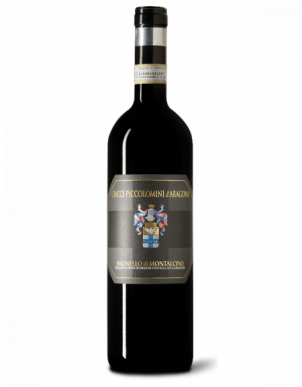
<p>The process of vinification and refinement of Brunello di Montalcino In stainless steel containers and vitrified cement tanks at controlled temperature through cooling jackets and immersion plates. Aging takes place in Slavonian oak barrels from 20 to 75 hl for more than 2 years, followed by refinement in the bottle for more than 8 months.<br /> On the palate we perceive notes of red berried fruit wrapped in a slight spiciness; the taste is warm, quite soft and very balanced. Full-bodied wine with moderately pronounced tannins and long taste-olfactory persistence</p> <p><strong>SIZE / WEIGHT:</strong> 0,75 l bottles.</p> <p><strong>ORIGIN:</strong> Toscana.</p> <p><strong>GRAPES:</strong> 100% Sangiovese.</p> <p><strong>SERVING TEMPERATURE:</strong> Uncork one hour before pouring and serve at 18°C in "ballon" shaped crystal goblet. The bottles must be kept in the dark, flat, in a cool place and without sudden changes in temperature.</p> <p><strong>ALCOHOL:</strong> 14.5% vol.</p> <p><strong>STORAGE METHOD:</strong> Cool place away from sunlight.</p> <p><strong>RECOMMENDED PAIRINGS:</strong> Red meats, roasts and braised meats, game and aged cheeses.</p> <p><strong>SPECIFIC NOTES:</strong> Contains sulphites</p> <p><strong>PRODUCER:</strong> Ciacci Piccolomini d'Aragona</p>
Price zł279.99

<p>The red of Montalcino DOC Ciacci Piccolomini D'Argona is amply emphasized by aromas of fresh red berry fruit and is completed with light floral and spicy notes. Warm, quite soft, structured and balanced with pleasantly pronounced tannins.<br /> Ruby red with aromas of ripe cherries and vanilla. Notes of violet and a softly rounder structure than Barbera d'Asti Tre Vigne. Brilliant acidity and sweet tannins on the palate with a balanced presence of wood, good complexity and a persistent cherry finish.</p> <p><strong>SIZE / WEIGHT:</strong> 0,75 l bottles.</p> <p><strong>ORIGIN:</strong> Tuscany.</p> <p><strong>GRAPES:</strong> 100% Sangiovese.</p> <p><strong>SERVING TEMPERATURE:</strong> 16°/18°.</p> <p><strong>STORAGE METHOD:</strong> Cool place away from sunlight.</p> <p><strong>RECOMMENDED PAIRINGS:</strong> Suitable to accompany Tuscan soups, first courses with red meat sauces, cured meats and medium-aged cheeses.</p> <p><strong>SPECIFIC NOTES:</strong> Contains sulphites</p> <p><strong>PRODUCER:</strong> Ciacci Piccolomini d'Aragona</p>
Price zł152.99

<p>The Cannonau di Sardegna Costera DOC Argiolas, from the most important of the Sardinian vines, a warm and enveloping red wine but at the same time fresh and balanced. The color is intense ruby red, the nose reveals notes of cherry and plum, vanilla and black pepper.</p> <p><strong>SIZE / WEIGHT:</strong> 0,75 l bottles.</p> <p><strong>ORIGIN:</strong> Sardinia.</p> <p><strong>GRAPES:</strong> cannonau, with small additions of carignano and bovale.</p> <p><strong>SERVING TEMPERATURE:</strong> 16°/18°.</p> <p><strong>STORAGE METHOD:</strong> A place away from sunlight.</p> <p><strong>ALCOHOL:</strong> 14% vol.</p> <p><strong>RECOMMENDED PAIRINGS:</strong> Throughout the meal, it goes well with main courses of white and red meat, roasts and bases, medium-aged cheeses.</p> <p><strong>SPECIFIC NOTES:</strong> Contains sulphites.</p> <p><strong>PRODUCER:</strong> ARGIOLAS.</p>
Price zł85.99

<p>Don Luigi comes in a classic guise, with a color reminiscent of ink and with a structure that wraps around the sides of the glass like a velvet cloak. It is obtained from the pure selection of the best Montepulciano grapes. It is traditionally vinified with long contact of the must with the marc and aged in small oak barrels.</p> <ul> <li><strong>Characteristics:</strong> Intense garnet red color with purplish reflections, it is a wine rich, intense, of great harmony with a perfect fusion between the flavors of ripe fruit that evoke the undergrowth, plum, hints of toasted wood and vanilla.</li> <li><strong>Pairings:</strong> It goes well with perfection with red meats, game, great Mediterranean cuisine, more or less aged cheeses, molded cheeses and grilled meats.</li> </ul> <p><strong>SIZE / WEIGHT:</strong> 0.75L bottles.</p> <p><strong>ORIGIN:</strong> Molise.</p> <p><strong>GRAPES:</strong> 100% Montepulciano .</p> <p><strong>ALCOHOL:</strong> 14% vol.</p> <p><strong>SERVING TEMPERATURE:</strong> Temperature between 12/18°C.</p> <p><strong>STORAGE METHOD:</strong> in a cool place away from sunlight.</p> <p><strong>SPECIFIC NOTES:</strong> Contains sulphites.</p> <p><strong>PRODUCER:</strong> Di Majo Norante - Campomarino CB.</p> <h3>Di Majo Norante</h3> <p>Di Majo Norante has been producing wines from its own grapes since 1800, as evidenced by the cellars below the square and in the old family palace in Campomarino. The dedication to the cultivation of the vine is inherited from Alessio di Majo Norante and is planned today together with the passion for research and experimentation. Di Majo Norante produces its wines exclusively from the 123 hectares of the ancient feud of the Marquises Norante of Santa Cristina. The oenological philosophy of the Di Majo Norante company respects the traditional approach to the cultivation of the vine and the production of wine, in an attempt to preserve all the characteristics of the Mediterranean grapes. In Molise, wine has a tradition that dates back to the Samnites and the Romans, who introduced the cultivation of the vine. The production methods are those handed down from one generation to another in the southern Apennines, always linked to the values of the peasant world. The Masseria di Majo Norante is located north of the Gargano, in the Ramitelli district, in the countryside of Campomarino, where the clayey, partly sandy soil and the summer breeze combine to create a particularly favorable habitat. Alessio di Majo Norante, a stubborn and counter-current winemaker, sacrificed productivity and standardization of taste to the constant pursuit of quality and typicality, in the belief that southern vines are more suited to the soil and climatic conditions of the Molise countryside.</p>
Price zł246.99

<p>One of the most prestigious labels in Valpolicella, in the Magnum version.<br />It fully expresses the tradition of the Veneto area and thanks to the very long period of aging in barrique, it is harmonious and with an expressive balance of extraordinary elegance and finesse.</p> <ul> <li><strong>Method:</strong> After the harvest, the bunches of grapes of all four vine varieties are left wither, and the pressing is carried out only towards mid-December. After fermentation, aging is carried out for 36 months in new barriques. Finally, the Amarone della Valpolicella DOC, from the Dal Forno Romano winery, is completed with two years of rest in the bottle.</li> <li><strong>Features:</strong> Intense and impenetrable ruby color. Seductive on the nose, it opens with notes of overripe black fruit, which are embellished with complex references to mocha, dark chocolate, pepper and oak. The taste is full-bodied and generous, it offers a velvety and smooth tannic texture, and has a superb and fascinating closure.</li> <li><strong>Pairings:</strong> It is not a wine to drink during a simple Sunday lunch, but it is to be reserved for important occasions. Excellent with woodcock on croutons.</li> </ul> <p><strong>SIZE / WEIGHT:</strong> Bottles of 1,5 l</p> <p><strong>ORIGIN:</strong> Veneto.</p> <p><strong>GRAPES:</strong> Oseleta, Croatina, Rondinella, Corvina.</p> <p><strong>ALCOHOL:</strong> 13% vol.</p> <p><strong>SERVING TEMPERATURE:</strong> Temperature between 12/18°C.</p> <p><strong>STORAGE METHOD:</strong> in a cool place away from sunlight.</p> <p><strong>SPECIFIC NOTES:</strong> Contains sulphites.</p> <p><strong>PRODUCER:</strong> Dal Forno Romano - Cellore d'Illasi VR.</p> <h3>Cantina Dal Forno Romano</h3> <p>Dalla construction of the estate and cellar a Since 1990, Romano Dal Forno pays maniacal attention to all the production processes, both between the rows and in the cellar, starting from the planting of the vineyards to arrive at the drying techniques.<br />It is in this cellar that the tradition of the vineyard and technology are combined and the union is productivity: here research overcomes exasperation, if a wine is to represent the Dal Forno Romano reality, it must be of a quality that can never be discussed.</p>
Price zł5,501.01

<p>One of the most prestigious labels of Valpolicella, in the Magnum version.<br /> Fully expresses the tradition of the Veneto area and thanks to the very long period of aging in barrique, it is harmonious and with an expressive balance of extraordinary elegance and finesse.</p> <ul> <li><strong>Method:</strong> After the harvest, the bunches of grapes of all the four vine varieties they are left to dry, and only in mid-December is the pressing carried out. After fermentation, aging is carried out for 36 months in new barriques. Finally, the Amarone della Valpolicella DOC, from the Dal Forno Romano winery, is completed with two years of rest in the bottle.</li> <li><strong>Features:</strong> Intense and impenetrable ruby color. Seductive on the nose, it opens with notes of overripe black fruit, which are embellished with complex references to mocha, dark chocolate, pepper and oak. The taste is full-bodied and generous, it offers a velvety and smooth tannic texture, and has a superb and fascinating closure.</li> <li><strong>Pairings:</strong> It is not a wine to drink during a simple Sunday lunch, but it is to be reserved for important occasions. Excellent with woodcock on croutons.</li> </ul> <p><strong>SIZE / WEIGHT:</strong> Bottles of 0,75 l</p> <p><strong>ORIGIN:</strong> Veneto.</p> <p><strong>GRAPES:</strong> Oseleta, Croatina, Rondinella, Corvina.</p> <p><strong>ALCOHOL:</strong> 13% vol.</p> <p><strong>SERVING TEMPERATURE:</strong> Temperature between 12/18°C.</p> <p><strong>STORAGE METHOD:</strong> in a cool place away from sunlight.</p> <p><strong>SPECIFIC NOTES:</strong> Contains sulphites.</p> <p><strong>PRODUCER:</strong> Dal Forno Romano - Cellore d'Illasi VR.</p> <h3>Cellar From the Forno Romano</h3> <p>Since the construction of the estate and the cellar in 1990, Romano Dal Forno has paid obsessive attention to all the production processes, both between the rows and in the cellar, starting from the planting of the vineyards to arrive at the drying techniques.<br /> It is in this cellar that tradition of the vineyard and technology come together and the union is productivity: here research overcomes exasperation , if a wine is to represent the Dal Forno Romano reality, it must be of a quality that can never be discussed.</p>
Price zł2,501.07

<p>Barbera d'Alba Vietti is made from grapes from vineyards located in Castiglione Falletto, Monforte d'Alba, La Morra, and other towns in the Langhe. The age of the vines varies from 25 to 40 years. The average density per hectare is about 4500 vines with Guyot cultivation. The soil is clayey limestone. The alcoholic fermentation lasts about 2 weeks and is carried out in steel. The déléstages are frequent and the pumping overs are daily. Malolactic fermentation in steel.</p> <p>Ruby red with an aroma of ripe cherries and vanilla. Notes of violet and a softly rounder structure than Barbera d'Asti Tre Vigne. Brilliant acidity and sweet tannins on the palate with a balanced presence of wood, good complexity and a persistent cherry finish.</p> <p><strong>SIZE / WEIGHT:</strong> 0,75 l bottles.</p> <p><strong>ORIGIN:</strong> Piedmont.</p> <p><strong>GRAPES:</strong> 100% Barbera.</p> <p><strong>SERVING TEMPERATURE:</strong> 16°/18°.</p> <p><strong>SPECIFIC NOTES:</strong> Contains Sulphites.</p> <p><strong>STORAGE METHOD:</strong> Cool place away from sunlight.</p> <p><strong>RECOMMENDED PAIRINGS:</strong> appetizers, rich salads, seasonal vegetables grilled meat, soups, pasta, veal and pork, chicken with light sauces.</p> <p><strong>PRODUCER:</strong> Vietti.</p>
Price zł173.99

<p>The quality of the grapes to be used for the Riserva type, produced only in the best years, is initially determined with rigorous manual selection in the Pianrosso vineyards, followed subsequently by a long maceration on the marc and a prolonged aging in barrels and in bottles.</p> <ul> <li><strong>Features:</strong> Intense, broad and complex aromas. Fruity, spicy, sometimes ethereal: the notes of ripe red berry fruit harmonize pleasantly with multiple spices; the <em>taste</em> is warm, harmonious with pronounced but soft tannins; a full-bodied wine with a long taste-olfactory persistence that will evolve further with a long aging in the bottle.</li> <li><strong>Pairings:</strong> Suitable to accompany mainly structured main courses of jugged meat, game roasts and furred game. Appropriate with very aged cheeses or tasted only as a meditation wine.</li> </ul> <p><strong>SIZE / WEIGHT:</strong> 0,75 l bottles.</p> <p><strong>ORIGIN:</strong> Tuscany.</p> <p><strong>GRAPES:</strong> 100% Sangiovese.</p> <p><strong>ALCOHOL:</strong> 15% vol.</p> <p><strong>SERVING TEMPERATURE:</strong> Temperature between 12/18°C.</p> <p><strong>STORAGE METHOD:</strong> in a cool place away from sunlight.</p> <p><strong>SPECIFIC NOTES:</strong> Contains sulphites.</p> <p><strong>PRODUCER:</strong> Ciacci Piccolomini D'Aragona - Località Molinello, Montalcino (SI).</p> <h3>Ciacci Piccolomini D'Aragona Winery</h3> <p>The estate boasts its origins dating back to the 17th century and preserves its historical heritage in a palace erected in the same period by the Montalcino Bishop and Abbot of the Abbey of S. Antimo, Fabivs de' Vecchis. Upon the Bishop's death, the Palace was put up for auction together with the vast agricultural properties following the Italian law on the assets of the Ecclesiastical Axis and purchased on 16 September 1868 by the Countess Eva Bernini Cerretani. On 31 December 1877, Countess Cerretani in turn sold the entire estate to the Castelnuovese dei Ciacci family. Following the marriage that took place in the first half of the 1900s between Count Alberto Piccolomini of Aragon, descendant of the lineage of Enea Silvio Piccolomini known as Pope Pius II, and Miss Elda Ciacci, the so-called Palazzo del Vescovo became Palazzo Ciacci Piccolomini d' Aragon. In 1985, with the extinction of the family, the property was bequeathed to Giuseppe Bianchini, already factor of the estate for many years now, who applied a totally new and avant-garde production philosophy for those years, developing and increasing production, quality of the wines and opening the export of our products in the world. Giuseppe passed away in February 2004, leaving the task of continuing his work to his children Paolo and Lucia.</p>
Price zł999.99

<p>Refosco dal Peduncolo Rosso is the native Friulian red grape variety par excellence. This bottle embodies all the characteristic aspects, namely <strong>intense colour</strong>, fruity bouquet and a drink from which a fresh palate emerges. A very focused label, therefore, the one created by the Bastianich winery, a company whose prestige is embodied by the legendary Joe, a television personality known both in Italy and in the USA, who made a real economic empire out of his passion for wine and food . A satisfying Friulian red that deserves a careful sip.</p> <ul> <li><strong>Procedure:</strong> The Refosco dal Peduncolo Rosso wine signed by Bastianich comes from the homonymous grapes of the native Friulian vine. The vines of this variety are trained with the <em>guyot</em> system, and grow in vineyards that have their roots in a subsoil mainly characterized by calcareous marl. Once selected during the <em>harvest</em> phase, the grapes are <em>vinified</em> in stainless steel containers. The <em>aging</em> takes place both in steel, for 80% of the total mass of the wine, and in oak barrels, where the remainder undergoes a short passage to increase the general complexity of the olfactory profile. At the end of the <em>maturation</em>, the bottling operations begin.</li> <li><strong>Characteristics:</strong> Dark ruby red tending to purplish, the nose reveals fruity, blackberry and in general small red and spicy fruits. A trace of vanilla opens to a full, fresh and balanced taste. Of great harmony, it closes with a finish of excellent persistence, on the fruit.</li> <li><strong>Pairings:</strong> Throughout the meal, it goes well with rich meat-based dishes, roasts and braised meats in particular . Excellent on all types of game, preferably baked.</li> </ul> <p><strong>SIZE / WEIGHT:</strong> 0,75 l bottles</p> <p><strong>ORIGIN:</strong> Friuli Venezia Giulia.</p> <p><strong>GRAPES:</strong> 100% Refosco del Peduncolo rosso.</p> <p><strong>ALCOHOL:</strong> 13% vol.</p> <p><strong>SERVING TEMPERATURE:</strong> Temperature between 12/18°C.</p> <p><strong>STORAGE METHOD:</strong> in a cool place away from sunlight.</p> <p><strong>SPECIFIC NOTES:</strong> Contains sulphites.</p> <p><strong>PRODUCER:</strong> Bastianich Winery - Cividale del Friuli (UD).</p> <h3>Bastianich Winery</h3> <p>The wine we drink has an intense history, it is part of a tradition with very deep roots and often travels the world entire to arrive on our table. The Bastianich company, founded in 1997, consists of 27 hectares of vineyards. All the vineyards are located on the Colli Orientali del Friuli, in two distinct areas falling within the DOC area. The history of this land has deep roots. Viticulture in this region has been practiced since the 2nd century BC. , with the advent of the Romans who were the first to plant the vine. The millenary tradition, the particular clayey-marly soil called "ponca" and the numerous microclimates created by the winds of the Julian Alps and the proximity to the Adriatic Sea make the Colli Orientali del Friuli region one of the most suitable in Friuli Venezia Giulia. It is these unique characteristics that allow the wines of this Doc to be particularly elegant and mineral, with a strong character that fully communicates the terroir.</p>
Price zł128.99

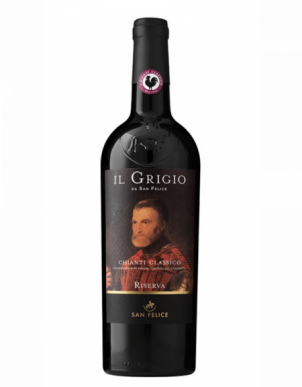
<p>An excellent bottle, characterized by traditional flavors that take on a large dimension from the nose to the mouth. The maceration of the grapes takes place for about 20 days at a temperature between 28 and 30 °C, fermenting in steel and carrying out the malolactic fermentation; then we move on to the maturation phase, which takes place in Slavonian oak barrels for 36 months and for another 12 months in the bottle. A label that will grant you the luxury of a memorable drink, as rarely happens. To be purchased without delay!</p> <p><strong>SIZE / WEIGHT:</strong> Bottles of 0,75 l.</p> <p><strong>ORIGIN:</strong> Tuscany.</p> <p><strong>GRAPES:</strong> 100% Sangiovese.</p> <p><strong>SERVING TEMPERATURE:</strong> 18°/20°.</p> <p><strong>ALCOHOL:</strong> 14.5% vol.</p> <p><strong>STORAGE METHOD:</strong> Cool place away from sunlight.</p> <p><strong>RECOMMENDED PAIRINGS:</strong> A wine with an excellent structure, which requires refined dishes capable of enhancing its peculiarities. Perfect with red meat and game but also with aged cheeses and with recipes where the main ingredient is the truffle.</p> <p><strong>SPECIFIC NOTES:</strong> Contains sulphites</p> <p><strong>PRODUCER:</strong> Azienda Agricola San Felice</p>
Price zł320.99

<p>The Gran Selezione Gray, 80% Sangiovese enriched with ancient native varieties such as Abrusco, Pugnitello, Malvasia nera, Ciliegiolo and Mazzese which contribute to the complexity of the wine, keeping the elegance and expression of the San Felice terroir intact.</p> <p>Alcoholic fermentation in steel, with maceration for 22 days at a temperature of 28-30° C.Each variety is vinified separately. Malolactic fermentation and aging in wood for 24 months. 50% 60-100 hl Slavonian oak barrels and 50% in 225 and 500 liter French oak barrels. Aging in the bottle for 8 months.</p> <p><strong>SIZE / WEIGHT:</strong> Bottles of 0,75 l.</p> <p><strong>ORIGIN:</strong> Tuscany.</p> <p><strong>GRAPES:</strong> Sangiovese 80% ; Native grape varieties 20%: Abrusco, Pugnitello, Malvasia Nera, Ciliegiolo, Mazzese.</p> <p><strong>SERVING TEMPERATURE:</strong> 15°/17°.</p> <p><strong>STORAGE METHOD:</strong> Cool place away from sunlight.</p> <p><strong>ALCOHOL:</strong> 13% vol.</p> <p><strong>SPECIFIC NOTES:</strong> Contains sulphites</p> <p><strong>RECOMMENDED PAIRINGS:</strong> It is a wine with a good structure, which therefore requires dishes with elaborate preparations. Perfect with red meats and medium-aged cheeses, it should be tried with roast pork loin.</p> <p><strong>PRODUCER:</strong> Società Agricola San Felice S.p.A.</p>
Price zł117.99

<p>With the award obtained at the International Wine Challenge in London in 1997, Pelago entered the list of the most sought-after Italian wines in the world. Born from an intuition of the Umani Ronchi group of technicians, who decided to combine Montepulciano with Cabernet Sauvignon, Pelago is a wine that preserves the style and personality of the native grapes, together with the complexity and aromatic profile of the Bordeaux grapes. Its name derives from the ancient Greek pelagos, sea, which suggests the marine character and the typical organoleptic peculiarities of the wines produced near the coasts.</p> <p><strong>SIZE / WEIGHT:</strong> 0,75 l bottles.</p> <p><strong>ORIGIN:</strong> Marche.</p> <p><strong>GRAPES:</strong> Cabernet Sauvignon, Merlot, native grapes of the Conero.</p> <p><strong>SERVING TEMPERATURE:</strong> 16°/18°.</p> <p><strong>ALCOHOL:</strong> 12.5% vol.</p> <p><strong>STORAGE METHOD:</strong> Cool place away from sunlight.</p> <p><strong>SPECIFIC NOTES:</strong> Contains sulphites</p> <p><strong>RECOMMENDED PAIRINGS:</strong> Aged cheeses, Meat-based first courses, Red meat second courses, Soups.</p> <p><strong>PRODUCER:</strong> Azienda Vinicola Umani Ronchi Spa</p>
Price zł189.99

<p>Born from one of the most prestigious vineyards in Italy, this red red wine is harmonious and velvety, with important tannins and a finish of fruit in alcohol.</p> <ul> <li><strong>Features:</strong> In the glass it has an intense ruby red color . The olfactory profile opens on aromas of cherry and ripe red fruit, notes of dried fruit, memories of noble woods and spices. On the palate it has a good structure, with a harmonious sip, a fine tannic texture and a balanced finish, with a long and fruity finish. A true legend in red, to savor the true soul of Valpolicella!</li> <li><strong>Pairings:</strong> Risotto with meat sauce, blue cheeses, roasted and grilled meat, game and aged cheeses.</li> </ul> <p><strong>SIZE / WEIGHT:</strong> 1.5 L bottles</p> <p><strong>ORIGIN:</strong> Veneto.</p> <p><strong>GRAPES:</strong> Molinara, Rondinella, Corvina.</p> <p><strong>ALCOHOL:</strong> 14,5% vol .</p> <p><strong>SERVING TEMPERATURE:</strong> Temperature between 12/18°C.</p> <p><strong>STORAGE METHOD:</strong> in a cool place away from sunlight.</p> <p><strong>SPECIFIC NOTES:</strong> Contains sulphites.</p> <p><strong>PRODUCER:</strong> Dal Forno Romano - Cellore d'Illasi VR.</p> <h3>Dal Forno Romano Winery</h3> <p>It's hard to believe that Dal Forno continually manages to offer exceptional wines, with a remarkable tannic structure and balanced acidity, of a truly superlative softness. Yet it is exactly like this, harvest after harvest. Romano Dal Forno was born in 1957 in Capovilla, a few kilometers from Illasi. Precisely in this environment, where wine more than a product is a philosophy of life, the family has been taking care of their vineyards for four generations now. The turning point for his life and work came at the age of 22, when he met Giuseppe Quintarelli, who became an enlightening guide for him: he opened his eyes to a new way of producing wine and planting vineyards, making him feel the importance to focus on quality rather than quantity.</p> <p>The early days were characterized by many difficulties, but the union of the family and the contribution of Romano's sons, Marco, Luca and Michele, brought the cellar to quickly become an absolute point of reference in the world structure of wine. For years, thanks to the commitment of the whole family, the company has reached standards that are difficult to match, with the persevering intention of offering unique emotions and pleasures to anyone who drinks a Dal Forno product. A cellar that tells the story of a territory and its traditions: an absolute point of reference.</p>
Price zł1,512.00

<p>Born from one of the most prestigious vineyards in Italy, this red red wine is harmonious and velvety, with important tannins and a finish of fruit in alcohol.</p> <ul> <li><strong>Features:</strong> In the glass it has an intense ruby red color. The olfactory profile opens on aromas of cherry and ripe red fruit, notes of dried fruit, memories of noble woods and spices. On the palate it has a good structure, with a harmonious sip, a fine tannic texture and a balanced finish, with a long and fruity finish. A true legend in red, to savor the true soul of Valpolicella!</li> <li><strong>Pairings:</strong> Risotto with meat sauce, blue cheeses, roasted and grilled meat, game and aged cheeses.</li> </ul> <p><strong>SIZE / WEIGHT:</strong> 0,75 l bottles</p> <p><strong>ORIGIN:</strong> Veneto.</p> <p><strong>GRAPES:</strong> Molinara, Rondinella, Corvina.</p> <p><strong>ALCOHOL:</strong> 14,5% vol .</p> <p><strong>SERVING TEMPERATURE:</strong> Temperature between 12/18°C.</p> <p><strong>STORAGE METHOD:</strong> in a cool place away from sunlight.</p> <p><strong>SPECIFIC NOTES:</strong> Contains sulphites.</p> <p><strong>PRODUCER:</strong> Dal Forno Romano - Cellore d'Illasi VR.</p> <h3>Dal Forno Romano winery</h3> <p>It is difficult believe that Dal Forno is continually able to offer exceptional wines, with a remarkable tannic structure and balanced acidity, of a truly superlative softness. Yet it is exactly like this, harvest after harvest. Romano Dal Forno was born in 1957 in Capovilla, a few kilometers from Illasi. Precisely in this environment, where wine more than a product is a philosophy of life, the family has been taking care of their vineyards for four generations now. The turning point for his life and work came at the age of 22, when he met Giuseppe Quintarelli, who became an enlightening guide for him: he opened his eyes to a new way of producing wine and planting vineyards, making him feel the importance to focus on quality rather than quantity.</p> <p>The early days were characterized by many difficulties, but the union of the family and the contribution of Romano's sons, Marco, Luca and Michele, led the cellar to quickly become an absolute point of reference in the world wine structure. For years, thanks to the commitment of the whole family, the company has reached standards that are difficult to match, with the persevering intention of offering unique emotions and pleasures to anyone who drinks a Dal Forno product. A cellar that tells the story of a territory and its traditions: an absolute point of reference.</p>
Price zł664.99